Christmas Clipart Winter Silver Wreath Embroidery Review
As a designer who spends more time behind the embroidery machine than in front of the computer, I approach every new asset with a mix of excitement and skepticism. When I first laid eyes on Christmas Clipart Winter Silver Wreath, my initial reaction wasn't just about how pretty it looked on screen, but how it would translate into thread. In the world of handmade goods and boutique branding, the difference between a design that looks professional and one that looks like a mistake often comes down to stitch density and visual balance. This review is not a sales pitch; it is a practical assessment based on how this specific illustration performs when converted from a digital file into a tangible, stitched product.
The First Stitch: Visual Mood and Layout
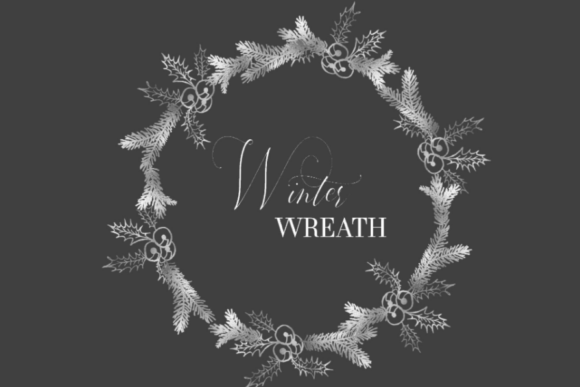
The moment you load Christmas Clipart Winter Silver Wreath into your digitizing software, the layout speaks volumes about its intended use. It possesses a classic, timeless silhouette that immediately evokes the cozy, festive atmosphere of winter holidays. Unlike some modern, abstract holiday designs that can feel chaotic or overly trendy, this piece offers a sense of stability and tradition. The silver tones suggested in the original illustration promise a sophisticated contrast against traditional reds and greens, which is a crucial detail for anyone aiming for a high-end look on their finished products.
The shape is naturally suited for framing elements. Whether you are placing it above a family name on a holiday sweater or centering it on a kitchen towel, the wreath form creates a natural focal point. It feels less like a generic clipart image and more like a curated design asset. For designers targeting Etsy sellers or craft fair customers, this level of aesthetic polish is essential. It signals quality before the customer even touches the item. The negative space within the wreath is well-balanced, allowing for potential text insertion without the design feeling cluttered or cramped.
Real-World Application: From Screen to Fabric
I recently tested this design concept on a custom embroidered tote bag project for a local boutique client. The goal was to create a reusable holiday shopping bag that felt elegant enough to be used as a gift wrap alternative. We started with a heavy cotton canvas, which is a common choice for durable tote bag design work. The challenge with any wreath-style motif is ensuring the outer branches don't look too stiff or boxy when stitched.
In this scenario, Christmas Clipart Winter Silver Wreath performed admirably. The curves flowed naturally, mimicking the organic growth of real foliage rather than looking like a rigid geometric pattern. When we paired it with a deep navy thread for the background and a metallic silver for the accents, the result was striking. The design held up well under the tension of the hoop, maintaining its symmetry. Customers at the market reacted positively to the refined look, noting that it didn't scream "cheap holiday decor" but rather felt like a thoughtful, artisanal addition to their holiday collection.
This same versatility extends to sweatshirt embroidery. Imagine a soft, heather-grey crewneck with the wreath centered on the chest. The design's clean lines prevent it from getting lost in the fabric texture, while the implied silver sheen adds a touch of luxury that elevates a standard garment. It is also an excellent candidate for baby embroidery; placed gently on a onesie or a nursery blanket, the gentle curves and festive theme create a warm, welcoming vibe that parents love. However, the key to success here lies in the thread selection and the specific type of stitch used.
Navigating Technical Challenges and Limitations
While Christmas Clipart Winter Silver Wreath is a strong contender for many projects, no single design is a magic bullet for every situation. As an experienced reviewer, I must highlight where caution is required. If you are working with small hoop sizes, such as those used for caps or hats, the detail level of the wreath might become compressed. Curved surfaces like baseball caps present a unique challenge; if the design is too dense, it can cause puckering, especially on the curved brim area. In these cases, simplifying the fill stitches or reducing the overall size is often necessary to maintain a crisp finish.
Fabric texture plays a massive role in the final outcome. On smooth, stable fabrics like denim or tightly woven cotton, the design shines. However, on highly textured materials like bouclé or thick fleece, the fine details of the wreath may get lost. Similarly, stretchy fabrics require careful stabilization. Without the proper stabilizer, the tension of the stitching could distort the fabric, causing the wreath to warp out of shape. For commercial embroidery projects involving frequent washing, such as uniforms or promotional aprons, you must ensure the stitch density is high enough to withstand abrasion but not so high that the fabric becomes stiff.
Dense stitch areas can sometimes trap lint or create a rough hand-feel, particularly if the design is executed with long satin stitches. For a softer finish on items like baby clothes or pillow covers, mixing in running stitch or using a lighter fill technique can make the design more comfortable to the touch. Additionally, if you plan to use this on dark fabric, the contrast provided by the silver theme is vital. Ensure your thread colors offer sufficient luminance against the background, or the design will appear muddy and indistinct.
Strategic Design Notes for Maximum Impact
Before committing to a full production run, always test the design on scrap fabric. This step is non-negotiable for any serious maker. You need to verify that the stitch density works correctly with your chosen thread weight and that the registration is precise. Check the hoop size requirements carefully; if the design exceeds the dimensions of your machine's standard hoops, you may need to split the design, which can lead to alignment issues.
Inspect small details closely. Does the inner ring of the wreath hold together, or does it break apart during the stitching process? Sometimes, what looks perfect in a digital embroidery file preview can unravel in reality. Comparing light and dark fabric backgrounds in your mockups is another smart move. A design that pops on white might disappear on black unless you adjust the color palette. For Etsy sellers and small shop owners, creating printable mockups with various thread colors can help visualize the final product for customers before they even order.
Licensing is another critical factor. If you intend to sell finished items featuring Christmas Clipart Winter Silver Wreath, confirm the commercial usage rights attached to the file. Some licenses allow for personal gifts but restrict resale, while others permit unlimited commercial production. Ignoring this can lead to legal headaches down the line. Also, consider whether the design fits your brand consistency. If your shop focuses on rustic, farmhouse aesthetics, a sleek silver wreath might feel slightly off-brand compared to a burlap-textured alternative. Conversely, for a modern, chic boutique, this design aligns perfectly with the desired image.
Final Verdict on Craft Potential
Christmas Clipart Winter Silver Wreath stands out as a versatile and visually appealing choice for a wide range of embroidery projects. Its ability to bridge the gap between traditional holiday themes and modern, sophisticated styling makes it a valuable asset for craft business owners and creative entrepreneurs. Whether you are crafting personalized gifts, developing a line of holiday embroidery apparel, or creating decorative home goods, this design offers a solid foundation for high-quality results.
However, success depends on execution. Pay attention to the nuances of fabric choice, stabilizer application, and thread contrast. By treating this design with the same care and technical scrutiny you would apply to any other embroidery project, you can transform a simple digital illustration into a cherished handmade product that customers will appreciate and remember. When done right, the result is not just a stitched image, but a statement of quality and care that defines your brand.